Self-Tape Success: A Guide for Parents of Child Actors
Purpose of this guide:
To help you set up great self-tapes, gently coach your child, and keep the experience fun and creative - so your child has the best chance to shine.
What Is a Self-Tape?
A self-tape is a video audition that actors record and submit, typically acting out a scene or monologue (or even a song and dance!) to audition for a role in film, theatre, television, or a commercial. It is a way for actors to audition remotely without needing to attend a physical audition.
They are often the first round of a casting process before recalls or straight offers.
Why Self-Tapes Matter
Casting directors today mostly use self-tapes to see young actors. A good tape helps your child stand out - even if you’re far away from big cities.
Self-tapes save time and let your child audition for projects anywhere.
The tape itself becomes your child’s “first impression” - so it should look and sound professional.
As a parent, you’re not just helping film; you’re creating a space where your child feels relaxed and confident.
Setting Up a Great Self-Tape at Home
Why this is important:
Good technical quality makes your child look professional - and keeps casting directors focused on their performance, not distractions. Below is our handy checklist of technical aspects to consider when filming.
Camera
Smartphones can work perfectly if filmed in HD (1080p).
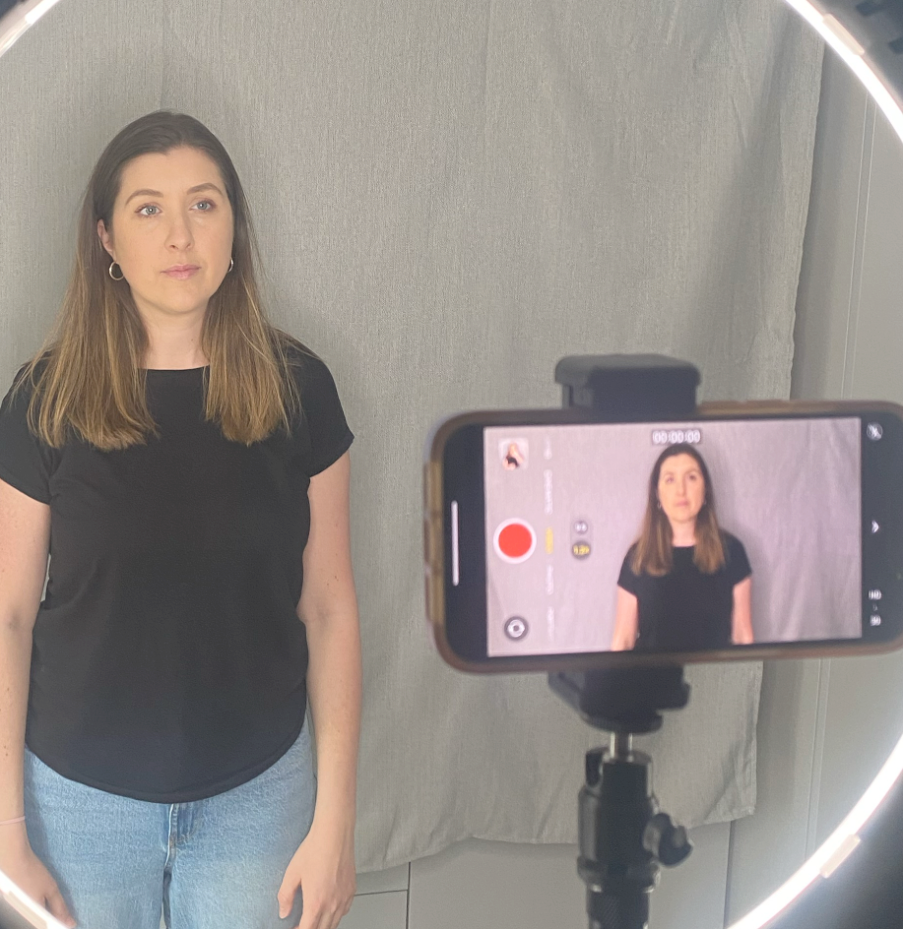
Use a tripod to avoid shaky footage. Your camera should always be static, at eye level and without any movement or handheld shaking.
Landscape is always best unless specified otherwise - your tapes will often be viewed on a bigger screen like a laptop.
Lighting
Bright, even lighting makes your child look clear and natural.
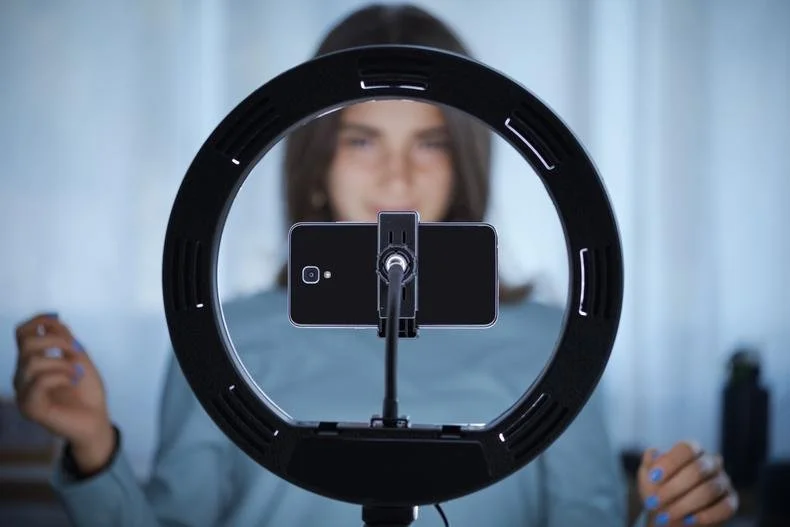
Face them toward a window, or use softbox or ring lights if indoors.
Avoid harsh shadows or backlighting that makes faces hard to see.
To avoid overexposure, place yourself as close to the backdrop as possible so that the light levels on your background and your face are as evenly lit as possible.
Sound
Clear audio helps casting directors hear every word and emotion.
Choose a quiet time and place; turn off TVs, fans, and appliances.
Use an external mic if you can, but good phone placement can still work.
Background
A plain, tidy wall in neutral colours (grey, light blue, beige) keeps focus on your child.If you don’t have a plain wall or backdrop, an easy and inexpensive trick is to hang up a bed sheet behind you.
Remove clutter, posters, or anything eye-catching.
Tip: Always record a quick test before doing the actual tape!
Helping Your Child Deliver Their Best Performance
Why this is important:
A calm, playful approach helps your child act naturally and have fun - which casting directors love.
Coaching Tips to create a positive atmosphere
Encourage and reassure; keep your tone upbeat.
Avoid over-correcting or pointing out small mistakes.
Help them think about the character: who they are, what they want, and how they feel.
Let your child find their own way to say lines - natural is better than “perfect.”
Limit the number of takes to avoid fatigue.
Use breaks and praise effort, not just results.
Filming Your Self-Tape: Practical Tips
Why this is important:
Simple technical choices (like framing and sound) help your child look professional without needing expensive gear.
Frame from chest up (medium close up) , keeping your child’s eyes near the top third of the frame.
If you’re sat, stay seated. If you’re standing, stay in the frame. Less is more, so try to avoid moving around too much. It will be distracting for the casting team, and you want your performance to be the focus.
Keep the camera still; don’t zoom in/out during the scene.
Have your child look just off-camera unless instructed otherwise.
If you read other lines, do it calmly and quietly so your child stays the focus. Pick a point of focus to the left or right of camera to place yourself as reader, tightly close in but not directly behind/down the lens. We want to ensure the casting director can see your child’s face and eyes clearly and not on profile.
Record a slate/ ident if asked. A slate (sometimes called an ident) is a short, on-camera introduction your child does at the start (or end) of a self-tape, so casting directors can quickly see who they are. It is usually filmed as separate take with the actors full body in shot.
It usually includes:
- Child’s full name
- Age
- Height (sometimes in feet/inches or cm)
- Location / where you’re based (city or region)
- Agency name
Example:
“Hi, my name is Taylor Green, I’m 9 years old, I’m 4 foot 5, and I live in London. I’m represented by May Talent.”
Editing and Submitting
Why this is important:
Neat editing keeps tapes professional and easy for casting teams to watch.
Editing basics
Trim out walking into or leaving frame.
No effects, music, or text unless requested.
File and submission
May Talent uses TagTapes to allow for an efficient, easy uploading processing. Once you have filmed your material on a smart phone or uploaded the files to your computer, you can simply log into your Tagmin account, select Tapes and upload the footage. It is always best to upload them individually rather than stitched together.
On the very rare occasion the client is asked to submit the tape themselves and not via the agents, please ensure you have read all the information. Read instructions carefully about deadlines, file sizes, or upload sites. Before submitting, refer back to the casting team’s instructions. Do they want one take or two? How would they like to receive the tape? Via Dropbox? WeTransfer?
Save in MP4 or MOV format (unless told otherwise).
Always ensure you label your tapes with your name, the role you are auditioning for and the project. The casting team will be very grateful, as sometimes they are working across multiple projects so will be receiving a lot of tapes at the same time. Doing this will ensure all of your hard work doesn’t get lost.
Tip: Upload early - don’t risk late submissions!
Supporting Your Child Emotionally
Why this is important:
Staying positive keeps your child happy and motivated, even if they don’t get the part.
Celebrate doing the tape itself as an achievement.
Explain that not booking a job isn’t failure - casting is about many factors.
Encourage effort, curiosity, and growth over results.
If it starts feeling like pressure, it’s okay to take a short break.
Tip: Remind them that the right role will come at the right time.
Quick Checklist Before Sending a Self-Tape
A last-minute checklist helps catch small issues that could hurt an otherwise great tape.
✔ Good lighting: clear, even, natural
✔ Clear sound, no background noise
✔ Neutral background
✔ Correct framing: chest up, eyes near top third and in landscape unless told otherwise
✔ Slate included (if asked)
✔ Edited neatly; no extra effects
✔ Submitted before the deadline